
AAC Block Making Machine for Construction in Pune
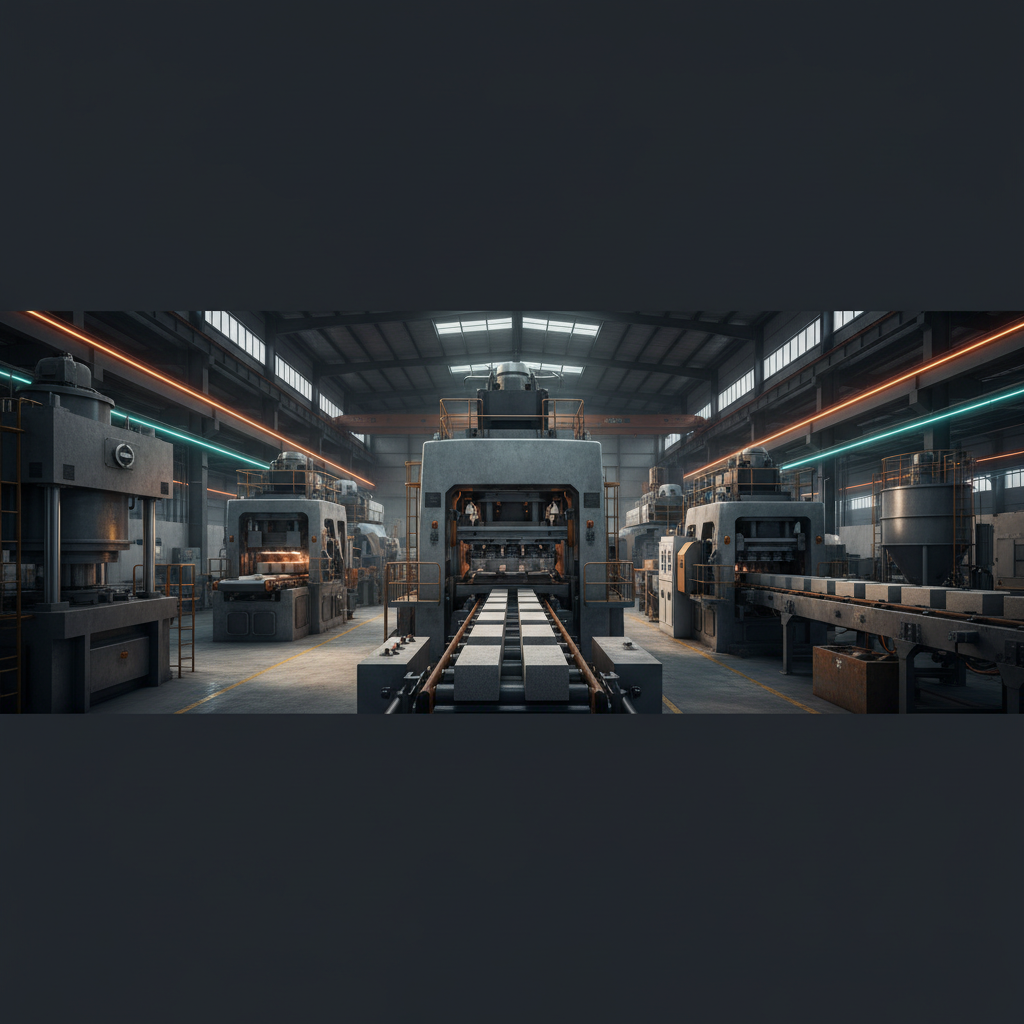
A sales director at a precision parts firm in Pune recently mentioned their production pipeline had slowed down. It’s a story that feels familiar across many sectors, especially when you’re trying to ramp up output without the right tools. For construction businesses, having the right AAC block making machine can be the difference between hitting deadlines and seeing projects stall.
Why the Right AAC Block Making Machine Matters
Construction is a demanding field. Deadlines are tight, margins are slim, and quality can’t be compromised. That’s why investing in an AAC block making machine for construction is more than just buying equipment – it’s about securing a dependable partner in your workflow. You want a machine that runs smoothly, produces blocks with consistent density, and handles the volume your projects require. If your current setup isn’t meeting those needs, you’re probably facing delays and rework, which cuts into your profits.
It’s not unusual to see production numbers swing wildly when the machinery isn’t up to par. One client we worked with reported their output dropping from 1,200 blocks per shift down to just 750 on tough days. That kind of inconsistency puts strain on the entire supply chain and can cost tens of thousands in lost revenue over a few months.
Common Pitfalls When Choosing AAC Block Making Machines
The market is full of options, but not all AAC block making machines are made the same. Some are designed for small-scale operations, while others promise high capacity but fall short on durability. A common mistake is focusing only on upfront cost instead of total cost of ownership. Cheaper machines often need more maintenance, have higher downtime, and produce blocks that don’t meet industry standards.
Their office in Kharadi had been running outbound campaigns for over a year without results. This is a classic example of trying to push sales without fixing the core issue: product reliability and performance. If your AAC block making machine can’t keep pace, no amount of marketing will solve the problem.
What to Look for in an AAC Block Making Machine
When assessing machines, consider factors like cycle time, block size flexibility, and ease of maintenance. A good AAC block making machine for construction should have a cycle time under 90 seconds per batch and be capable of producing blocks in various sizes without extensive retooling. Maintenance access points should be simple, allowing your technicians to perform routine checks and repairs quickly.
One often overlooked detail (most proposals we review miss this completely) is the quality of the hydraulic system. Machines with underpowered or poorly designed hydraulics tend to have uneven compression, leading to weak blocks that fail quality inspections. That’s a costly problem you want to avoid from day one.
Real-World Impact of Upgrading Your AAC Block Making Machine
Upgrading to a reliable AAC block making machine can change your construction projects. We’ve seen clients boost their block production by over 40% within the first month of switching machines. This isn’t just about speed – it’s about delivering consistent, high-quality blocks that reduce waste and rework on site.

One client in Pune shared how their new machine lowered their block rejection rate from 15% to under 3%, saving them roughly $18,500 in material costs over three months. That kind of improvement pays for itself quickly and builds trust with your clients and contractors.
Getting the Most from Your AAC Block Making Machine
Owning the right machine is only part of the challenge. You also need proper training and ongoing support to keep things running smoothly. Operators who understand the machine’s controls and maintenance schedule can prevent downtime before it starts. Investing in training upfront often saves weeks of lost production later (costs most clients roughly 3 – 4 months before they course-correct).
Regular calibration and monitoring of block density ensure your products meet structural standards every time. It’s not glamorous work, but it’s essential if you want to avoid costly failures in the field.
Been in this situation myself. Happy to share what worked – no pitch, just a conversation.