
AAC Block for Construction in Pune

A sales director at a precision parts company in Pune recently shared that their project pipeline had slowed down. It’s a common tale in sectors where picking the right materials can really affect a project’s timeline and budget. When it comes to building strong, efficient structures, AAC block for construction is definitely worth considering. It’s not just about stacking blocks; it’s about selecting a material that meets your project’s needs without the usual hassles.
Why AAC Block for Construction Stands Out
AAC, or autoclaved aerated concrete, is a lightweight, precast building material that’s been quietly changing construction sites. It’s not your average concrete block. The blend of cement, lime, sand, and a touch of aluminum powder creates a block that’s roughly 60% lighter than traditional concrete blocks, meaning less load on your foundation and easier handling on site. This isn’t just a convenience – it’s a productivity boost that can trim days off your schedule.
But the perks go beyond weight. AAC blocks provide excellent thermal insulation, helping keep buildings cooler in summer and warmer in winter. That means energy savings and a more comfortable space for occupants. They’re also fire-resistant and offer good sound insulation, ticking many boxes for safety and comfort without needing extra layers or treatments.
Common Missteps When Choosing AAC Blocks
Despite the obvious benefits, many construction teams still find it tricky to maximize AAC blocks. Their office in Kharadi had been running outbound campaigns for more than a year without success, partly because they were highlighting the wrong benefits to the wrong audience. AAC blocks aren’t a fix-all for every project, so knowing where they work best is key.
A frequent error is ignoring the need for proper installation. AAC blocks need specific adhesives and skilled labor to make sure the joints are tight and the walls perform well. Cutting corners here can cause cracks, moisture problems, and expensive repairs down the line. (Most proposals we see miss this entirely.)
How to Integrate AAC Block for Construction Successfully
Begin with a clear evaluation of your project’s requirements. AAC blocks excel in low- to mid-rise residential buildings, schools, and commercial spaces where speed and insulation are important. They’re less ideal for heavy-load bearing walls in high-rise buildings unless combined with other structural supports.
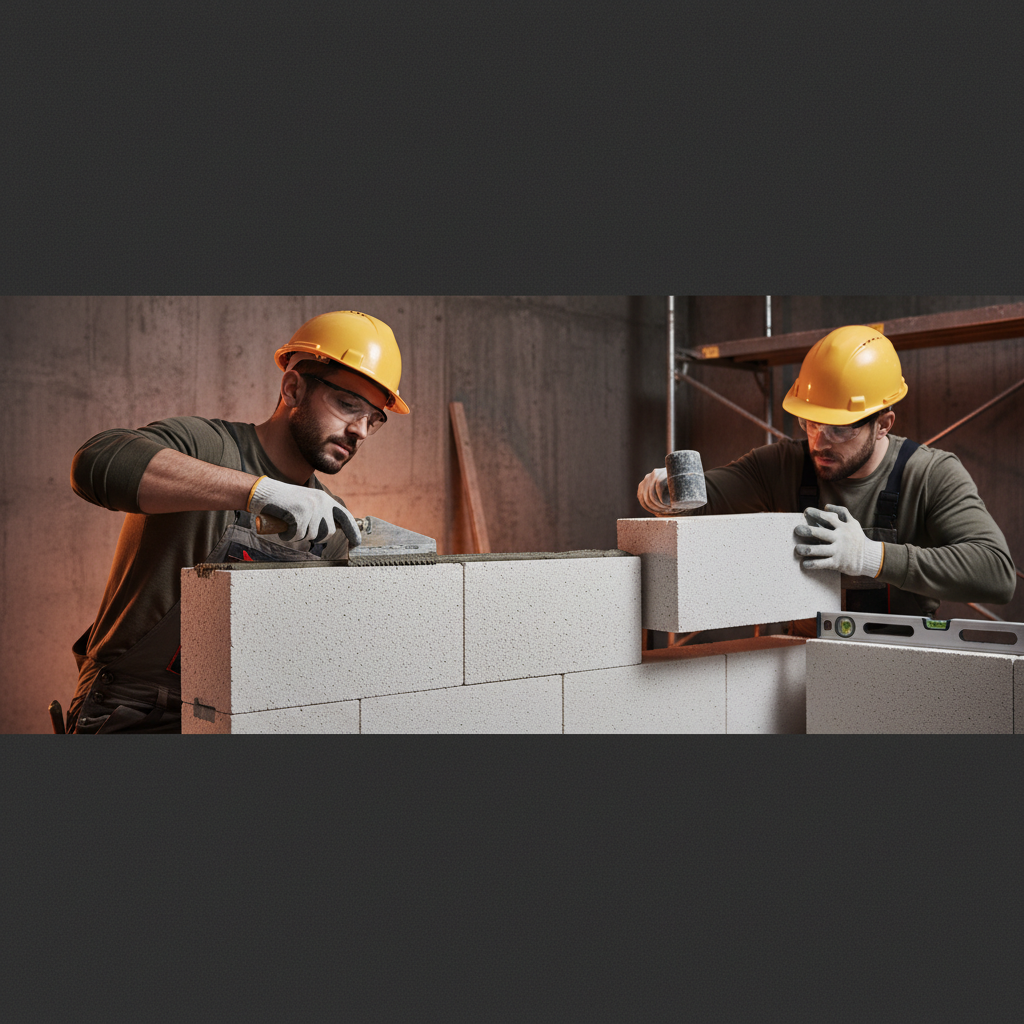
Then, collaborate closely with suppliers who know the ins and outs of AAC blocks. Quality can vary, and a block that’s too porous or inconsistent can undermine the benefits you want. On-site training for your team is also a smart investment. The right adhesive and a skilled hand make all the difference in durability and finish.
Real-World Impact of Using AAC Blocks
One project we followed reduced their wall construction time by 35%, thanks to the lighter weight and bigger block size of AAC. The lower labor costs and quicker turnaround saved them about $12,000 on a mid-sized commercial build. These aren’t just figures; they show how picking the right material can change the whole project’s economics.
Plus, the thermal efficiency of AAC blocks cut the building’s HVAC load by nearly 20%, which is a notable operational cost saving over the building’s lifespan. These savings add up, making AAC blocks not just a building material but a smart choice for long-term value.
It’s also worth mentioning that AAC blocks support sustainability goals. They use fewer raw materials, create less waste, and often include recycled content. For companies aiming to reduce their environmental impact, this is a practical step forward.
I’ve been in this spot myself. Happy to share what worked – no sales pitch, just a chat.