
AAC Block Making Machine for Construction in Pune
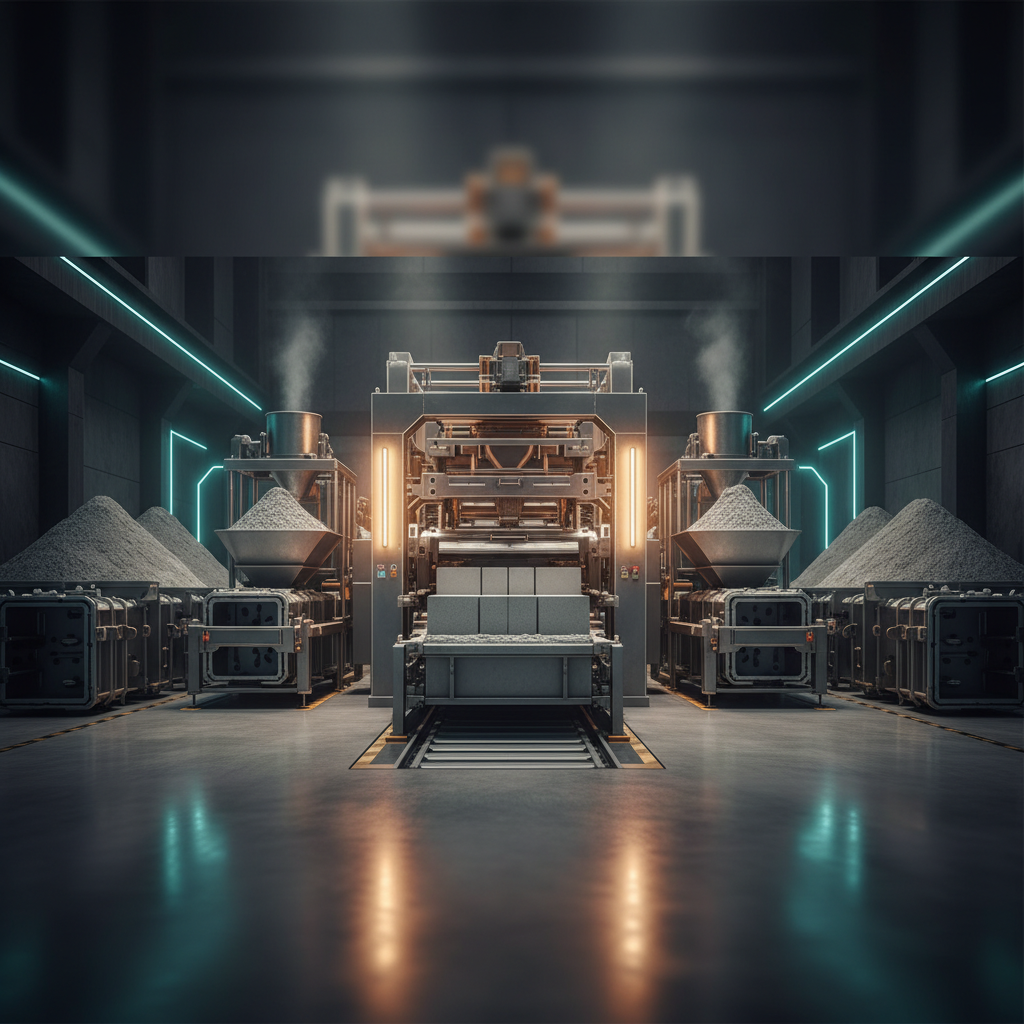
A sales director at a precision parts company in Pune recently shared that their pipeline had hit a snag. It’s a scenario that’s more common than you might expect, especially in sectors closely linked to construction and manufacturing. When you’re dealing with something as specialized as an AAC block making machine for construction, the hurdles often go beyond the machine itself and involve how it fits within your overall operation.
Why the Right AAC Block Making Machine Matters
Construction projects require consistency and speed without compromising quality. An AAC block making machine for construction isn’t just equipment; it’s the backbone of your material supply chain. If your machine isn’t performing well, the whole schedule can get delayed. This isn’t about picking the flashiest model but about choosing one that fits your production demands and site conditions.
Many businesses jump in with a one-size-fits-all solution, only to find their output is either too slow or the blocks don’t meet standards. That’s an expensive error. For instance, a mid-sized firm we worked with saw their production fall by 17% after switching to a cheaper machine. It took them nearly half a year to realize the issue wasn’t just the machine but how it was integrated into their workflow (took us embarrassingly long to figure this out).
Common Pitfalls in AAC Block Production
It’s easy to assume the machine alone will fix everything, but the truth is more complex. The mix quality, curing process, and even the surrounding environment can impact block strength and consistency. A sales director at a precision parts firm in Pune recently told us their pipeline had stalled. They weren’t just referring to sales; their production line was stuck, and their AAC block making machine for construction was at the heart of the problem.
Often, companies neglect regular maintenance and calibration. Machines that aren’t properly tuned can produce blocks with density variations up to 4 kilograms per cubic foot, which might seem minor but can be the difference between passing and failing quality tests. This is especially critical when your output is meant for structural use.
How to Choose the Right Machine for Your Needs
Choosing an AAC block making machine for construction should depend on your project size and the types of blocks you require. Not all machines are designed for the same volume or block sizes. Their office in Kharadi had been running outbound campaigns for over a year without results, showing how tough it is to find the right fit without hands-on experience and a clear grasp of your production goals.
Look for machines with adjustable settings that let you control block density and size. The best machines strike a balance between automation and manual control, giving you the flexibility to adapt to changes in demand or raw material quality. It’s also smart to consider machines with proven success in similar conditions – a machine that works well in one area might struggle in another due to climate or raw material differences.
Integrating Your AAC Block Making Machine into Your Workflow
Getting the machine is just the beginning. The real test is fitting it into your existing processes without causing major hiccups. This means planning for raw material handling, curing space, and quality control points. A common error is underestimating the space and labor needed to support the machine’s output, which can create bottlenecks.
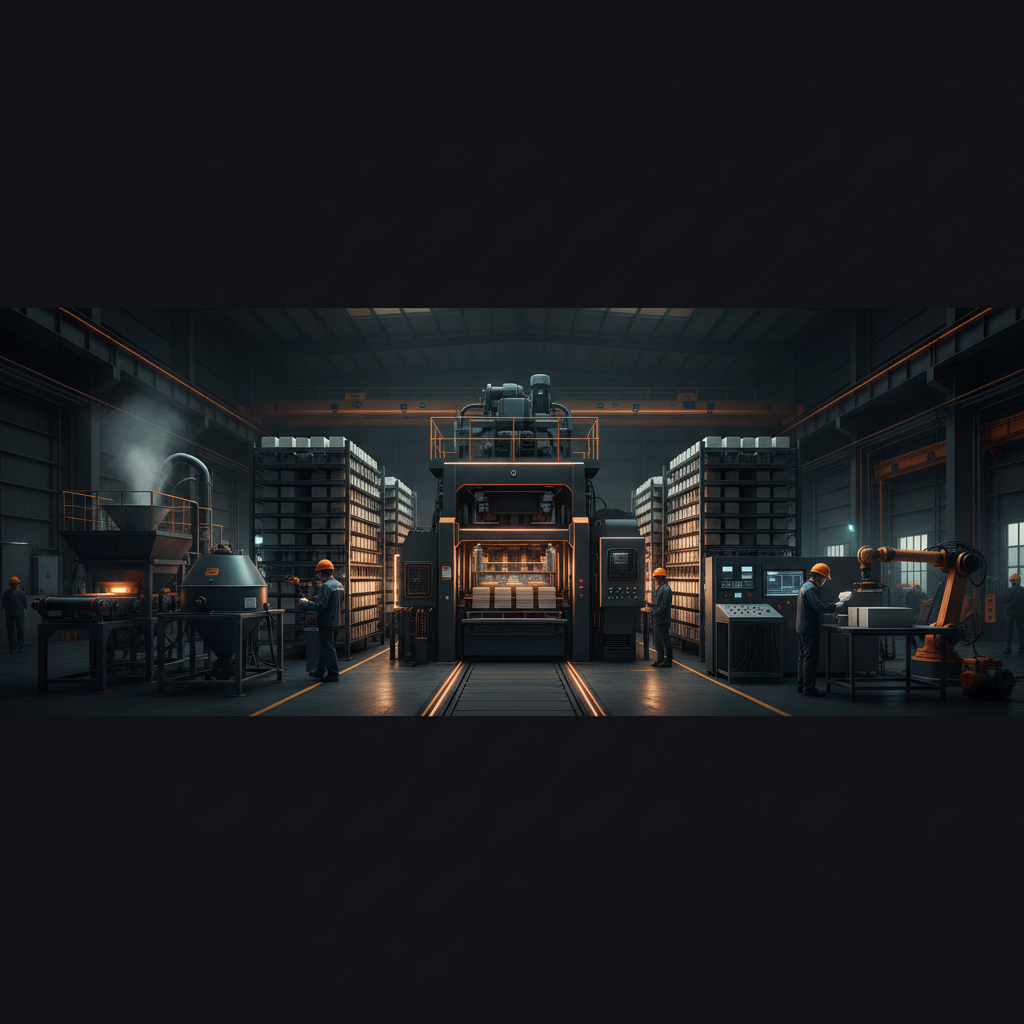
We’ve seen companies invest heavily in the machine but fail to dedicate enough resources for operator training or proper maintenance schedules. This often leads to downtime that could have been avoided. (costs most clients roughly 3 – 4 months before they course-correct).
Getting Results That Last
In the end, an AAC block making machine for construction is about dependability and predictability. Once you find the right machine and integrate it well, you’ll see steady improvements in block quality and production speed. This directly means fewer delays on site and better margins on your projects.
It’s not just about the machine’s specs but how well it fits your operation and how you manage the full production cycle. Keep an eye on details – from raw materials to curing times – and don’t hesitate to ask the tough questions before buying. (this question comes up in almost every first call we have).
Been in this spot myself. Happy to share what worked – no pitch, just a chat.